Same Pendleton Shirt Sold for 3 Different Prices

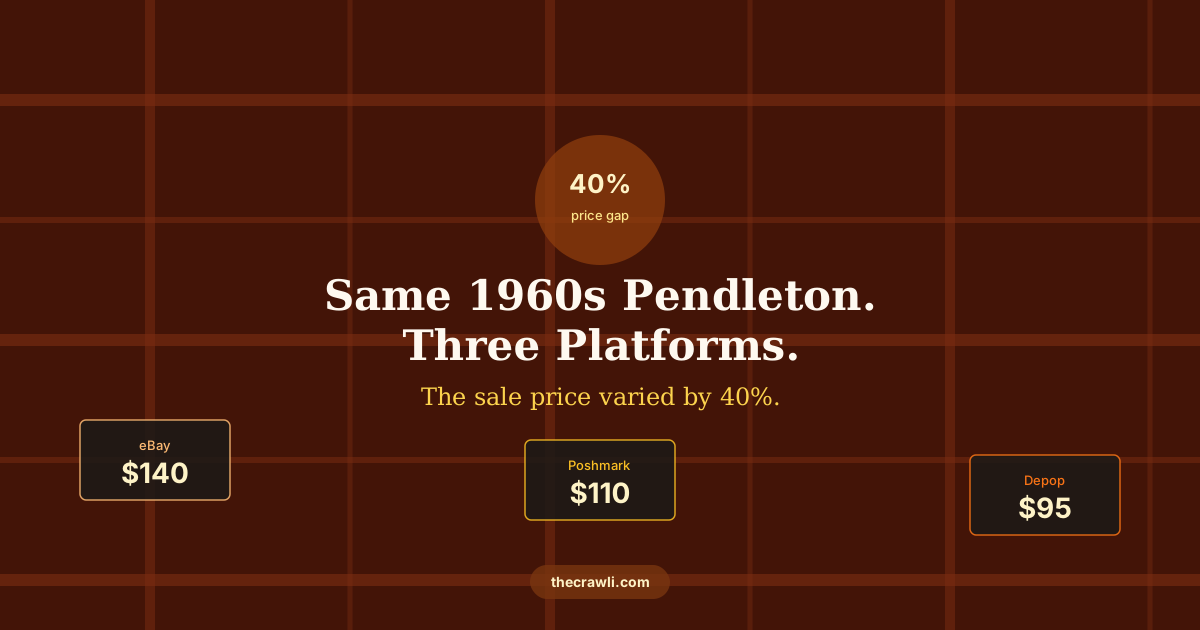
Short answer: When cross-listing a vintage Pendleton wool flannel shirt from the 1960s, the final sale price can differ by up to 40% across Depop, eBay, and Poshmark due to buyer demographics, platform culture, and how each platform's audience understands and values provenance. eBay consistently yields the highest prices for iconic Americana pieces because its buyer base actively searches for specific items and understands what they are paying for.
A 1969 Pendleton Board Shirt sold on eBay at $140. The identical shirt in the same condition, listed on Depop with a styled photograph and a caption pitched at younger buyers, sold for $95. On Poshmark, after an offer exchange, it went for $110. All three sales happened within the same two-week window. The eBay buyer paid 47% more than the Depop buyer for the same garment.
This is not an anomaly. It is a pattern that repeats consistently across vintage Americana categories, and understanding why it happens is how you decide where to list what.
Why the Same Shirt Sells for Different Prices
The price difference is not a function of the platform's fee structure, though fees matter too. It is a function of who is buying and how they think about value.
eBay's buyer base for vintage Americana, particularly Pendleton, Levi's, military surplus, and American workwear, includes a significant proportion of buyers who specifically searched for what they found. A collector searching for 'Pendleton Board Shirt 1960s' on eBay has arrived at your listing with purchase intent. They know what a genuine 1960s Board Shirt looks like, they have price awareness from past purchases and completed listing research, and they are prepared to pay for what they want.
Depop's buyer base for the same piece is a younger audience who browsed into the listing visually, attracted by the photograph and the styling rather than the specific provenance. Many Depop buyers for vintage Americana have a general interest in the aesthetic rather than specific knowledge of the category. The piece can look appealing without the buyer fully understanding what differentiates a 1960s original from a more recent piece. They will pay for how it looks on them, not for its historical specificity.
Poshmark sits between these two poles. Its buyer base includes both collectors who arrived via search and casual buyers who browsed in. The offer-and-counter culture on Poshmark means that prices are more negotiated than on eBay, where the auction format allows the market to clear at the level a committed buyer will pay.
How the Description Was Tailored for Each Platform
The same piece requires different framing for each platform's audience.
eBay description: Focused on provenance, specificity, and condition. Identified the piece as a late-1960s Board Shirt by its loop collar, pre-shrink wool label, and sawtooth back yoke construction. Described the plaid pattern accurately using colour terminology a collector would recognise. Listed the exact measurements in both inches and centimetres. Noted the specific condition of every element: the collar, the buttons, the cuffs, the seams. The eBay description read like an auction catalogue entry because that is what eBay's buyer base responds to.
Depop listing: Led with the photograph of the shirt styled on a body, emphasising the silhouette and the way the plaid reads visually. The caption used the vocabulary of contemporary vintage aesthetics: 'Americana core,' 'wearable archive,' 'heritage wool.' The specific era was mentioned but not belaboured. The price was set competitively for the Depop market understanding that Depop buyers price-compare quickly and are less likely to pay a premium for provenance they cannot immediately decode.
Poshmark listing: A flat lay photograph that showed the shirt clearly and completely. The description included measurements and condition notes consistent with Poshmark's selling norms, plus a note about styling versatility. The price was set at the Poshmark expectation with enough room to accommodate an offer, since Poshmark's buyer culture expects that the listed price is negotiable.
What the Numbers Looked Like
| Platform | Initial price | Views/Likes | Offers received | Final sale | Net after fees | Shipping |
|---|---|---|---|---|---|---|
| eBay | $130 BIN / best offer | ~340 views, 4 offers | 4 offers, highest $140 | $140 | $116.10 (12.9% eBay + PayPal fees) | USPS Priority: $12 |
| Depop | $105 | ~120 likes | 1 lowball at $65 | $95 (accepted counter) | $85.50 (10% Depop fee) | Paid by buyer |
| Poshmark | $120 | ~80 likes | 2 offers | $110 (Poshmark offer accepted) | $88 (20% Poshmark fee) | Flat rate included |
The eBay net of $116.10 was the highest of the three despite the higher shipping cost and fee percentage, because the sale price was high enough that fee percentage mattered less than gross amount. The eBay buyer's willingness to pay $140 for a piece they had specifically searched for and understood was the critical variable.
Using Cross-Platform Research Before You List
The most useful step before deciding where to list a specific piece is to understand what the same piece has actually sold for on each platform rather than what similar pieces are currently listed at. Completed listing searches on eBay show what buyers have actually paid, not what sellers hoped to achieve.
I used Crawli's multi-platform search to check what another 1960s Pendleton in similar condition had sold for across Grailed and Etsy in the weeks before listing. That research confirmed that the eBay market for this specific item was strong, which gave me confidence to set the eBay price at $130 buy-it-now with best-offer enabled rather than starting lower and risking a sale below market.
That research step is the difference between guessing and knowing. Before you cross-list your next piece, run it through Crawli first, it checks Depop, eBay, Poshmark, Grailed, and Etsy at once so you know which platform's buyers will actually pay up before you decide where to list.